
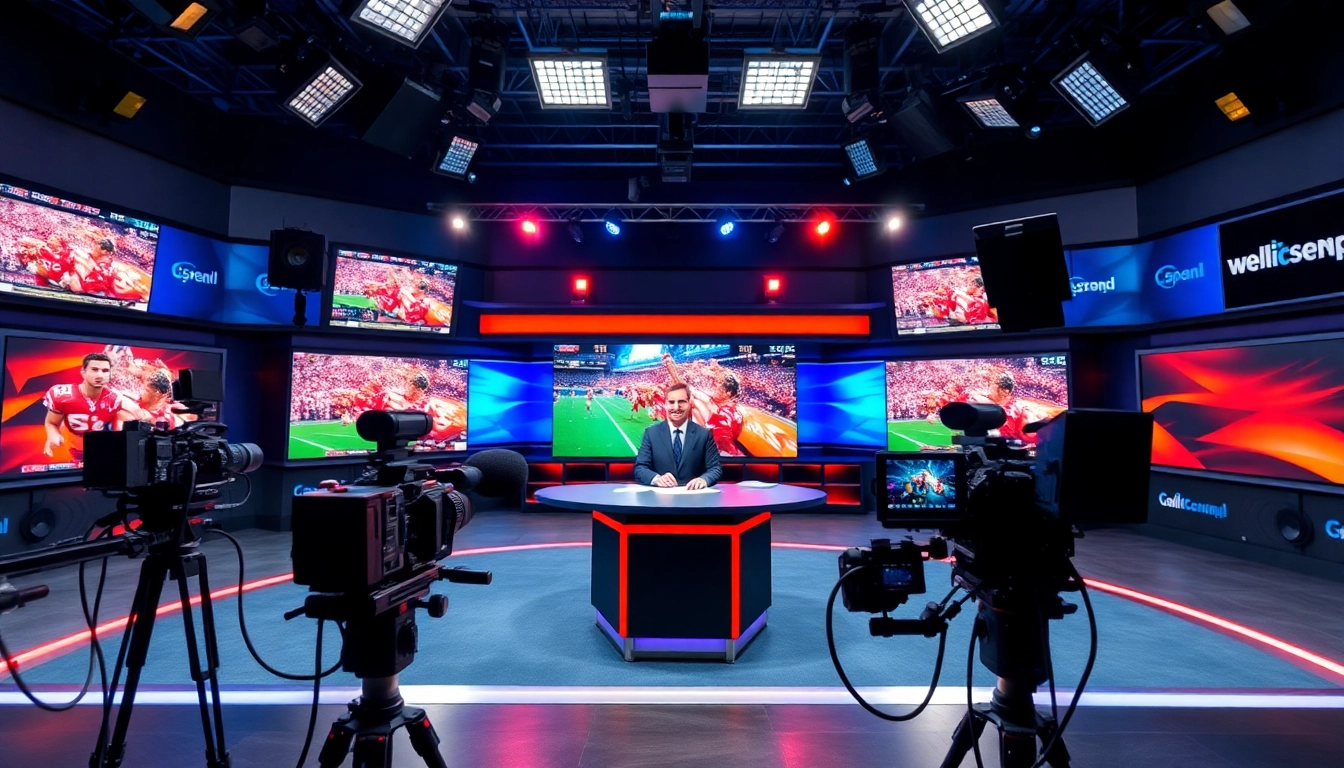
Understanding Sports Broadcasting
Defining Sports Broadcasting
Sports broadcasting is the dissemination of sports content through various media platforms, aiming to connect audiences with live sports events, commentary, and analysis. It serves as a crucial bridge between the athletic world and fans, allowing enthusiasts to experience the excitement and drama of sports from the comfort of their homes. The transformation of Sports Broadcasting over the years has made it accessible to a broader audience, enhancing user engagement through various channels.
Historical Perspective on Sports Broadcasting
Sports broadcasting has a rich history that dates back to the early 20th century, with radio broadcasting of live sports gaining traction in the 1920s. The advent of television in the 1950s marked a significant milestone, revolutionizing how sports were consumed. Major events like the World Series and Super Bowl became household names, as audiences tuned in to witness iconic moments unfold in real time. The journey continued with the introduction of cable television in the 1980s and the subsequent rise of satellite networks, expanding sports broadcasting’s reach and creating a competitive landscape.
Current Trends in Sports Broadcasting
Today’s sports broadcasting environment is characterized by rapid technological advancements and changing viewer preferences. Key trends include the rise of streaming services that offer on-demand content, the integration of social media as a platform for real-time engagement, and the use of data analytics to tailor viewer experiences. Furthermore, personalized viewing options and immersive technologies, such as augmented and virtual reality, are enabling fans to interact with sports in unprecedented ways, ensuring that broadcasting continues to evolve.
Key Technologies in Sports Broadcasting
Innovative Equipment for Broadcasting
The backbone of sports broadcasting lies in its technology. Advanced cameras, drones, and 4K resolution capabilities provide viewers with unprecedented clarity and perspective. Multi-angle broadcasts allow viewers to choose their preferred viewpoint, enhancing their connection with the action. Furthermore, graphics and data visualization tools are instrumental in delivering statistical insights in real time, enriching the viewing experience and enabling fans to better understand gameplay nuances.
Role of Streaming and Online Platforms
Streaming has become a dominant force in sports broadcasting, providing fans with flexibility and access to a wide array of content at their convenience. Platforms like YouTube, Twitch, and dedicated sport streaming services have capitalized on this trend, offering both live and recorded events. This shift towards online consumption has also prompted traditional broadcasters to adapt their content delivery strategies, blending linear programming with digital offerings to capture and retain audiences.
Impact of Virtual Reality on Sports Broadcasting
Virtual reality (VR) represents the frontier of immersive sports broadcasting, allowing fans to feel as though they are part of the action. VR technology offers virtual seating in stadiums, giving viewers an authentic stadium experience without the travel. Major sporting events have started experimenting with VR broadcasts, creating new revenue streams and providing unique promotional opportunities. As VR technology evolves, its adoption in sports broadcasting is expected to grow, fundamentally altering how fans engage with their favorite sports.
Audience Engagement Strategies
Techniques for Capturing Viewer Attention
To capture and maintain viewer attention, sports broadcasters are employing various techniques such as dynamic commentary, interactive graphics, and enhanced storytelling elements. The integration of real-time statistics and player tracking data into broadcasts helps deepen viewer engagement by providing context and analysis that resonates with fans. Furthermore, broadcasters are increasingly focusing on audience interaction through second screens and social media, allowing fans to engage with content and each other while watching.
Interactive Elements in Sports Broadcasting
Incorporating interactive elements has become essential in modern sports broadcasting. Polls, quizzes, and live chats during broadcasts foster a two-way communication channel between broadcasters and viewers. Such features not only enhance audience participation but also create a sense of community among fans. As a result, broadcasters can build loyal followings, encouraging viewership across multiple events.
Building Community through Sports Content
Successful sports broadcasting goes beyond mere content delivery; it fosters a community of fans. By investing in story-driven content, behind-the-scenes access, and player interviews, broadcasters can create a connection between fans and their favorite teams. social media campaigns extending beyond the game day experience can help maintain interest and interaction throughout the season. This sense of belonging is vital for retaining audiences in a competitive landscape.
Challenges Faced by Sports Broadcasters
Navigating Rights and Regulations
One of the critical challenges sports broadcasters face is navigating the complex landscape of broadcasting rights and regulations. Securing broadcasting rights for live events can be costly and competitive, requiring strategic negotiations with leagues and organizations. Furthermore, understanding local regulations regarding content distribution is essential, particularly in a globalized market where sports appeal to diverse audiences necessitating compliance with various legal frameworks.
Adapting to Changing Viewer Preferences
With the continuously evolving landscape of media consumption, sports broadcasters must be agile in adapting to changing viewer preferences. Younger audiences, in particular, gravitate towards mobile-friendly content and on-demand viewing options. Incorporating these preferences into content strategy—such as creating highlight reels, short-form content, and tailored viewing experiences—is essential for retaining their attention and loyalty. Accurate audience analysis can inform these adaptations.
Overcoming Technical Hurdles
Technical challenges abound in sports broadcasting, from ensuring uninterrupted streaming services to maintaining video quality across multiple platforms. As technology continues to evolve, integrating new broadcasting methods comes with operational hurdles that broadcasters must address. Regular investment in technology and staff training is necessary to keep pace with advancements and ensure high-quality broadcasts that meet audience expectations.
Metrics for Measuring Success in Sports Broadcasting
Key Performance Indicators for Broadcasters
To gauge success, sports broadcasters utilize key performance indicators (KPIs) such as viewer ratings, audience retention, and engagement metrics. Analysis of these KPIs helps broadcasters understand their content’s effectiveness and areas for improvement. Setting clear objectives tied to these KPIs can help broadcasters develop strategic initiatives that align with audience expectations and enhance overall performance.
Analyzing Audience Metrics and Insights
Analyzing audience metrics allows broadcasters to draw insights about viewer preferences and behavior. Through tools such as advanced analytics and data mining, broadcasters can collect and interpret data related to viewership patterns, demographic information, and engagement levels. Harnessing these insights enables broadcasters to fine-tune their content strategy, ensuring relevance and enhancing audience satisfaction.
Future-Proofing Strategies for Broadcasters
Future-proofing strategies are essential for sports broadcasters looking to thrive in a rapidly changing media landscape. Embracing technological advancements, investing in innovative storytelling techniques, and understanding diverse audience needs can help broadcasters stay ahead of the curve. Partnerships with tech companies to develop cutting-edge broadcasting solutions and continuously evaluating content strategies are vital for ensuring long-term success in the industry.
Frequently Asked Questions
What is sports broadcasting?
Sports broadcasting involves transmitting live sports events through various media platforms, allowing fans to access and experience sports from home or on-the-go.
How has technology affected sports broadcasting?
Technology has revolutionized sports broadcasting through enhanced visual quality, interactive viewers‘ experiences, and the integration of streaming services, making content more accessible.
What are common challenges in sports broadcasting?
Challenges include navigating broadcast rights, adapting to viewer preferences, and overcoming technical issues to ensure high-quality broadcasts across multiple platforms.
How do broadcasters engage with audiences?
Engagement techniques include interactive content, real-time statistics, social media integration, and behind-the-scenes features that build community among fans.
What metrics are important for success in sports broadcasting?
Key metrics include viewer ratings, audience retention, engagement levels, and analytic insights that provide valuable information about viewer preferences and trends.