User engaging with Honista APK on smartphone in a modern workspace, showcasing advanced customization features and tech gadgets.

Discover Honista APK: The Innovative Alternative for Enhanced Social Media in 2026

Introduction to Honista APK

In the rapidly evolving world of social media, where user experience and privacy are paramount, honista apk has emerged as a transformative alternative to traditional applications. Designed as a modified version of Instagram, Honista APK not only enhances user interaction but also offers a range of advanced features that cater to the growing demand for customization and privacy control. With millions of downloads and a vibrant community, this app is capturing the attention of users who seek a more refined and secure social networking experience.

What is Honista APK?

Honista APK is a modified application that builds upon the foundation laid by Instagram. It enhances users‘ experience by offering additional functionalities and customization options that the original platform lacks. From enhanced privacy settings to multi-account management, Honista APK is tailored for users who prioritize control over their social media presence. This unique approach addresses several pain points that Instagram users frequently encounter, making it a popular choice among those seeking a richer social media experience.

Why is Honista APK Gaining Popularity?

The surge in popularity of Honista APK can be attributed to several factors. Users are increasingly aware of their online privacy and seek platforms that provide robust security features. Honista APK stands out by enabling users to maintain anonymity, customize their interface, and manage multiple accounts seamlessly. As these trends continue to dominate user preferences in 2026, Honista APK positions itself as a solution that aligns perfectly with the values and needs of modern social media users. Therefore, it’s no surprise that individuals are flocking to this innovative application.

Unique Features of Honista APK

  • Privacy Controls: Tools to hide online status and read receipts.
  • Customization Options: Change themes, layouts, and even font styles.
  • Media Downloading: Capability to download photos, videos, and stories directly.
  • Multi-Account Management: Easily switch between different Instagram profiles.

Installation and Setup of Honista APK

How to Download Honista APK Safely

To ensure a safe download of Honista APK, users should always seek reliable sources. It is critical to avoid dubious websites that may distribute malicious versions of the application. Always opt for well-reviewed sites or the official Honista website for the most recent version. By downloading from trusted sources, users can protect their devices from potential threats and ensure they are getting the latest features and updates.

Step-by-Step Installation Guide

  1. Enable Unknown Sources: Navigate to your device’s settings, go to Security, and enable ‚Unknown Sources‘ to allow installations from sources other than the Google Play Store.
  2. Download the APK: Use your browser to download the Honista APK file from the official website or a trusted source.
  3. Install the App: Locate the downloaded file and tap on it to begin the installation process. Follow the on-screen prompts to complete the installation.
  4. Log In: Open the application and log in with your Instagram credentials to start exploring the enhanced features.

Initial Setup and Configuration Tips

After installing Honista APK, users should take a moment to configure their settings. This includes adjusting privacy controls, customizing the user interface to suit personal preferences, and exploring the advanced features available. Engaging in these initial setup steps not only enhances the user experience but also maximizes the benefits offered by the app.

Privacy Features of Honista APK

Enhanced User Privacy Controls

Honista APK places great emphasis on user privacy, a concern that is increasingly relevant in today’s digital landscape. The application allows users to control their visibility, effectively managing who can see their activities and personal information. For instance, users can opt to hide their online status, ensuring that they can browse without feeling pressured to respond immediately.

Data Encryption Techniques in Honista APK

The app employs advanced encryption techniques to safeguard user data. This means that personal messages and shared media are protected against unauthorized access, enhancing the overall security of users‘ accounts. In an era where data breaches are common, such protection is crucial, and it contributes significantly to the appeal of Honista APK among privacy-conscious users.

Managing Visibility and Anonymity

In addition to standard privacy settings, Honista APK offers unique features like anonymous story viewing and the disabling of read receipts. These capabilities empower users to interact with content and other users without leaving traces or feeling exposed. This kind of anonymity is especially beneficial for those who prefer to explore social media with a degree of discretion.

Customization Options in Honista APK

Personalizing Your User Interface

Honista APK provides extensive customization options that allow users to tailor their interface according to their preferences. This flexibility not only enhances the aesthetic appeal of the app but also makes navigation more intuitive and enjoyable. From changing color themes to adjusting layout styles, users can create a unique experience that resonates with their personal style.

Advanced Layout and Theme Options

The application offers a variety of themes and layouts, allowing users to experiment with different visual styles. This level of customization sets Honista APK apart from traditional social media platforms, which typically offer limited options for interface personalization. Allowing for an immersive experience encourages users to spend more time within the app.

Unique Font and Style Settings

One of the standout features of Honista APK is its ability to customize font styles. Users can choose from a range of fonts to make their profiles, posts, and messages more reflective of their personalities. This unique touch not only enhances the visual appeal of content but also enables users to express themselves creatively.

User Experiences and Community Support

User Testimonials on Honista APK

Feedback from users highlights the transformative impact that Honista APK has had on their social media experience. Many appreciate the enhanced privacy controls, which allow them to engage more freely without worries about exposure. Additionally, users often commend the robust customization options that make the app feel uniquely theirs.

Engaging with the Honista Community

The Honista community is vibrant and supportive, providing a platform for users to share experiences, troubleshoot issues, and suggest new features. Engaging with this community can greatly enhance the user experience, as it fosters a sense of belonging and collaboration.

Continuous Updates and Developer Support

Honista APK is backed by a dedicated development team that regularly releases updates and patches. This continuous improvement ensures that users have access to the latest features and security enhancements, maintaining the app’s reliability and performance in a competitive market.

Conclusion

In a landscape where user privacy and customization are becoming paramount, Honista APK stands out as a superior alternative to Instagram. With its focus on privacy features, advanced customization options, and community support, it offers a social media experience tailored to individual needs and preferences. As users increasingly seek platforms that prioritize their security and allow for self-expression, Honista APK is poised to remain a leading choice in 2026 and beyond.

Windows LTSC 2024 stabile Unternehmenslösung in einem modernen, produktiven Arbeitsumfeld.

Windows LTSC 2024 stabile Unternehmenslösung für Unternehmen: Vorteile und Implementierung

Einführung in Windows LTSC 2024 stabile Unternehmenslösung

In der heutigen Geschäftswelt, die oft von schnellem Wandel und technologischen Neuerungen geprägt ist, benötigen Unternehmen zuverlässige und dauerhafte Lösungen. Windows LTSC 2024 stabile Unternehmenslösung bietet eine solche Option, die speziell auf die Bedürfnisse von Unternehmen zugeschnitten ist, die Stabilität und langfristige Unterstützung suchen. In diesem Artikel werden wir die Funktionen, Vorteile und Implementierungsstrategien für Windows LTSC 2024 eingehend beleuchten.

Was ist Windows LTSC 2024?

Windows LTSC (Long-Term Servicing Channel) 2024 ist eine Version des Windows-Betriebssystems, die für Unternehmen entwickelt wurde, die eine stabile, dauerhafte Lösung ohne die regelmäßigen Funktionsupdates wünschen, die in anderen Windows-Versionen enthalten sind. Diese Version ist ideal für Umgebungen, in denen Software und Hardware festgelegt sind und eine ständige Verfügbarkeit gefragt ist, wie etwa in der Fertigung, im Gesundheitswesen oder in der Finanzbranche.

Merkmale der Windows LTSC 2024

  • Langfristiger Support: Windows LTSC erhält über einen Zeitraum von fünf Jahren Sicherheitsupdates und Fehlerbehebungen, was Unternehmen ein hohes Maß an Sicherheit und Zuverlässigkeit bietet.
  • Reduzierte Updates: Im Gegensatz zu den regulären Windows-Versionen, die häufige Feature-Updates erhalten, bietet LTSC nur sicherheitsrelevante Updates, die die Systemstabilität nicht beeinträchtigen.
  • Optimierte Leistung: Windows LTSC ist so konzipiert, dass es Ressourcen effizient nutzt und so die Leistung von Unternehmensanwendungen verbessert.
  • Minimale Berührungspunkte: Diese Version ist weniger anfällig für Wechselwirkungen mit neuen Funktionen oder Anwendungen, die nicht unbedingt für die Kerngeschäfte eines Unternehmens erforderlich sind.

Vorteile für Unternehmen

Die Implementierung von Windows LTSC 2024 für Unternehmen bringt zahlreiche Vorteile mit sich:

  • Stabilität: Unternehmen können sich auf eine vorhersehbare Umgebung verlassen, die minimierte Risiken für Ausfallzeiten birgt.
  • Kosteneffizienz: Durch den reduzierten Verwaltungsaufwand für Updates und Wartung reduzieren Organisationen ihre IT-Kosten langfristig spielend.
  • Konsistenz: Die Unternehmen profitieren von einer konsistenten Benutzeroberfläche und Anwendungsumgebung, die den Schulungsaufwand für Mitarbeiter reduziert.
  • Flexibilität: Unternehmen können entscheiden, wann sie auf neue Technologien umsteigen möchten, ohne ihre aktuellen Systeme unnötig belasten zu müssen.

Implementierung der Windows LTSC 2024 stabile Unternehmenslösung

Vorbereitung auf die Installation

Die Vorbereitung auf die Installation von Windows LTSC 2024 ist entscheidend, um einen reibungslosen Ablauf zu gewährleisten. Hier sind einige wichtige Schritte:

  • Bedarfsermittlung: Analysieren Sie die vorhandene IT-Infrastruktur und verstehen Sie die spezifischen Anforderungen Ihres Unternehmens.
  • Kompatibilität prüfen: Stellen Sie sicher, dass alle vorhandenen Anwendungen und Hardware mit der neuen Version kompatibel sind.
  • Backup erstellen: Führen Sie vor der Installation ein vollständiges Backup aller wichtigen Daten durch, um Datenverlust zu vermeiden.
  • Testumgebung schaffen: Richten Sie eine Testumgebung ein, um die spezifischen Anforderungen und Funktionen von Windows LTSC 2024 zu prüfen.

Schritte zur Implementierung

Die Implementierung von Windows LTSC 2024 erfolgt in mehreren Schritten:

  1. Herunterladen und Vorbereiten: Laden Sie die Installationsdateien für Windows LTSC 2024 von der offiziellen Microsoft-Website herunter und erstellen Sie ein Installationsmedium.
  2. Installation durchführen: Führen Sie die Installation entweder über ein Boot-Medium oder über das Netzwerk durch, abhängig von Ihrer Unternehmensinfrastruktur.
  3. Benutzeroberfläche anpassen: Passen Sie die Benutzeroberfläche entsprechend den Bedürfnissen Ihres Unternehmens an, um die Benutzerfreundlichkeit zu maximieren.
  4. Testphase: Führen Sie Tests durch, um sicherzustellen, dass alle Anwendungen einwandfrei funktionieren.
  5. Produktivsetzung: Stellen Sie das System für alle Benutzer bereit und überwachen Sie die Leistungsmetriken nach der Implementierung.

Best Practices für die Integration

Um die Integration von Windows LTSC 2024 zu optimieren, beachten Sie die folgenden Best Practices:

  • Schulung der Mitarbeiter: Stellen Sie sicher, dass alle Mitarbeiter ausreichend geschult sind, um das neue System effektiv nutzen zu können.
  • Wartungsverträge abschließen: Ziehen Sie in Betracht, Wartungsverträge mit IT-Dienstleistern zu schließen, um Unterstützung und regelmäßige Sicherheitsupdates zu gewährleisten.
  • Regelmäßige Überprüfung: Implementieren Sie regelmäßige Überprüfungen der Systemleistung und Nutzererfahrungen, um Proaktive Verbesserungen zu erreichen.
  • Feedback einholen: Holen Sie Rückmeldungen von Benutzern ein, um das System kontinuierlich zu optimieren und an die Bedürfnisse des Unternehmens anzupassen.

Vergleich mit anderen Windows-Versionen

Unterschiede zu Windows 10 und 11

Windows LTSC 2024 unterscheidet sich in mehreren wichtigen Aspekten von den regulären Windows 10 und 11 Versionen:

  • Update-Zyklus: Während Windows 10 und 11 häufige Funktionsupdates erhalten, konzentriert sich LTSC auf Sicherheitsupgrades.
  • Softwarekomponenten: LTSC enthält keine vorinstallierten Apps wie Cortana oder Microsoft Store, was zu einer reduzierten Komplexität beiträgt.
  • Langzeitdienst: LTSC bietet über fünf Jahre lang eine stabile Support-Umgebung, während reguläre Versionen kürzere Supportzeiträume haben.

Langzeit-Support vs. regelmäßige Updates

Der Langzeit-Support von Windows LTSC 2024 ermöglicht es Unternehmen, sich auf mehrjährige Stabilität zu verlassen. Im Gegensatz dazu erhalten die regulären Versionen von Windows 10 und 11 kontinuierliche Updates, die zwar neue Funktionen bringen, aber auch potenzielle Störungen verursachen können. Unternehmen, die häufige Betriebsunterbrechungen minimieren möchten, profitieren von dieser Stabilität, ohne die Gefahr von incompatibility zwischen Updates und kritischen Geschäftsanwendungen.

Kostenanalyse der Windows LTSC 2024 stabile Unternehmenslösung

Die Investition in Windows LTSC 2024 kann langfristige Kosteneinsparungen mit sich bringen:

  • Reduzierte Betriebskosten durch weniger Updates und damit einhergehende geringere Schulungs- und Supportkosten.
  • Geringer Bedarf an zusätzlicher Software- oder Hardwareanpassung, da die häufigen Versionswechsel und Anpassungen minimiert werden.
  • Stabilere Gesamtbetriebskosten aufgrund des fokussierten Long-Term Support-Modells.

Häufige Herausforderungen und Lösungen

Fehlerbehebung bei der Installation

Während der Installation von Windows LTSC 2024 können verschiedene Probleme auftreten. Zu den häufigsten Herausforderungen gehören:

  • Installationsfehler: Diese können durch inkompatible Hardware oder Software trettenden. Stellen Sie sicher, dass Ihr System die notwendigen Anforderungen erfüllt.
  • Treiberprobleme: Überprüfen Sie, ob alle benötigten Treiber vorhanden und aktualisiert sind, um Konflikte zu vermeiden.
  • Netzwerkkonfiguration: Stellen Sie sicher, dass Ihr Netzwerk korrekt konfiguriert ist, um eine fehlerfreie Installation zu ermöglichen.

Anpassungen der Benutzeroberfläche

Die Anpassung der Benutzeroberfläche kann eine Herausforderung darstellen, insbesondere wenn Mitarbeiter an vorherige Versionen gewöhnt sind. Hier sind einige Ansätze, um die Übergangsphase zu erleichtern:

  • Erstellen Sie ein Benutzerhandbuch, das alle Änderungen und neuen Funktionen erläutert.
  • Berücksichtigen Sie eine schrittweise Einführung neuer Funktionen, um die Mitarbeiter nicht zu überfordern.
  • Organisieren Sie Webinare oder Workshops, um spezifische Themen tiefergehend zu behandeln.

Kompatibilität mit älteren Softwareanwendungen

Ein häufiges Problem kann die Kompatibilität mit älteren Softwareanwendungen sein. Um dies zu minimieren, sollten Unternehmen:

  • Vor der Installation von LTSC 2024 eine umfassende Kompatibilitätsprüfung aller bestehenden Anwendungen durchführen.
  • Daten und Systeme zeitgerecht migrieren, um ein reibungsloses Arbeiten mit der neuen Softwareversion sicherzustellen.
  • Backup-Strategien einführen, bevor Systemänderungen vorgenommen werden, um einen reibungslosen Übergang sicherzustellen.

Zukünftige Entwicklungen und Trends

Erwartungen an zukünftige Versionen

Der Ausblick auf künftige Windows-Versionen zeigt eine weiterhin wachsende Nachfrage nach stabilen und zuverlässigen Lösungen wie LTSC. Unternehmen können erwarten, dass Microsoft in zukünftigen Updates den Fokus auf Sicherheit und Benutzerfreundlichkeit legt, während die Grundprinzipien von LTSC beibehalten werden.

Integration in Cloudlösungen

Mit der zunehmenden Verlagerung in die Cloud ist es entscheidend, dass Betriebssysteme wie Windows LTSC 2024 kompatibel mit modernen Cloud-Technologien sind. Die Integration kann es Unternehmen ermöglichen, auf innovative Ansätze zur Verwaltung ihrer IT-Infrastruktur umzusteigen.

Entwicklung sicherer IT-Umgebungen

Die Sicherheitsanforderungen werden weiterhin steigen. Daher wird die Zusammenarbeit mit fortschrittlichen Sicherheitslösungen und die Implementierung robuster Sicherheitsrichtlinien der Schlüssel zur Schaffung sicherer IT-Umgebungen sein.

FAQs zu Windows LTSC 2024

Was unterscheidet LTSC von den regulären Windows-Versionen?

LTSC bietet langfristigen Support ohne häufige Funktionsupdates, ideal für Unternehmen, die Stabilität benötigen.

Wie lange wird Windows LTSC 2024 unterstützt?

Windows LTSC 2024 erhält für einen Zeitraum von fünf Jahren Sicherheitsupdates und Fehlerbehebungen.

Kann ich ältere Software mit LTSC nutzen?

In der Regel ist LTSC mit älterer Software kompatibel, es ist jedoch ratsam, vorher eine Kompatibilitätsprüfung durchzuführen.

Wie führe ich ein Backup vor der Installation durch?

Nutzen Sie Backup-Software oder integrierte Windows-Tools, um alle wichtigen Daten zu sichern, bevor Sie die Installation starten.

Welche Hardwareanforderungen gibt es für LTSC 2024?

Die Hardwareanforderungen sind ähnlich wie bei anderen Windows-Versionen, jedoch sollten Sie die genauen Spezifikationen auf der Microsoft-Website nachlesen.

Computers Electronics and Technology

Top Innovations in Computers and Electronics for 2023

Fundamentals of Computers and Electronics

The world of computers and electronics is vast and continually evolving. Understanding the fundamentals is essential for anyone interested in technology, whether you are a beginner or an experienced professional. This section delves into the core components that make up computers, the role of operating systems, and basic electronic concepts that underpin modern devices.

Understanding Computer Architecture

Computer architecture refers to the design and organization of the components of a computer system. It encompasses the physical hardware and the logical structure of the system. At its core, computer architecture is divided into several key components:

  • Central Processing Unit (CPU): Often regarded as the brain of the computer, the CPU performs calculations, executes instructions, and processes data. Modern CPUs are multi-core, allowing them to execute multiple instructions simultaneously.
  • Memory (RAM): Random Access Memory (RAM) is the primary memory used by the CPU to store data temporarily while performing tasks. The more RAM a system has, the more processes it can handle simultaneously.
  • Storage: This includes both primary storage (like SSDs and HDDs) and secondary storage (like external drives). Storage devices are crucial for holding the operating system, software applications, and user data.
  • Motherboard: The motherboard is the central printed circuit board that connects all hardware components. It facilitates communication between the CPU, memory, storage, and peripheral devices.
  • Input/Output Devices: These peripherals allow users to interact with the computer. Examples include keyboards, mice, printers, and monitors.

Understanding these components is essential for diagnosing issues, upgrading hardware, or building a computer from scratch.

The Role of Operating Systems

An operating system (OS) is a collection of software that manages the hardware and software resources of a computer. The OS provides a user interface and serves as an intermediary between users and the computer hardware. Key functions of an operating system include:

  • Process Management: The OS manages the execution of processes by allocating CPU time and memory to various applications.
  • Memory Management: It handles the allocation and deallocation of memory space, ensuring that each process has enough memory to execute without interfering with others.
  • File System Management: The OS organizes and manages files on storage devices, allowing users to create, delete, and access files easily.
  • Device Management: The OS controls peripheral devices, ensuring they operate correctly and efficiently.

Popular operating systems include Windows, macOS, and Linux, each with its unique features and user interfaces. Understanding how an OS works can significantly enhance your ability to utilize a computer effectively.

Basic Electronics Concepts and Components

Electronics is the science of controlling electrical energy, and understanding its basic concepts is crucial for anyone engaging with technology. Here are some fundamental concepts:

  • Voltage: This is the electrical potential difference between two points in a circuit, measured in volts (V).
  • Current: The flow of electric charge in a circuit, measured in amperes (A).
  • Resistance: This is the opposition to the flow of current, measured in ohms (Ω). Components such as resistors, capacitors, and inductors are used to manage resistance in circuits.
  • Circuits: A circuit is a closed loop that allows current to flow. Circuits can be classified as series or parallel, influencing how components behave within the circuit.

Additionally, key components in electronics include:

  • Resistors: Used to limit current flow.
  • Capacitors: Store and release electrical energy.
  • Diodes: Allow current to flow in one direction, crucial for rectifying AC to DC.
  • Transistors: Act as switches or amplifiers, forming the backbone of modern electronic devices.

Understanding these concepts is essential for anyone looking to delve into electronics, whether for hobby projects or professional applications.

Networking and Communication Technologies

Networking is the practice of connecting computers and other devices to share resources and information. As we navigate the digital landscape, understanding various networking technologies and communication protocols becomes increasingly essential.

Types of Computer Networks: LAN, WAN, and Beyond

Computer networks can be categorized based on their size and coverage area. The most common types include:

  • Local Area Network (LAN): A LAN connects computers within a limited area, such as a home or office. It typically uses Ethernet or Wi-Fi technology. For example, a small business might set up a LAN to enable file sharing and resource access among employees.
  • Wide Area Network (WAN): A WAN spans a larger geographical area, often connecting multiple LANs. The Internet is the largest example of a WAN, allowing global connectivity. Businesses often use WANs to connect remote offices across different cities or countries.
  • Metropolitan Area Network (MAN): A MAN covers a larger geographic area than a LAN but is smaller than a WAN, typically spanning a city or campus. Universities often implement MANs to connect various departments and facilities.
  • Personal Area Network (PAN): A PAN is a small network, usually within a range of a few meters, connecting personal devices like smartphones, tablets, and laptops, often using Bluetooth technology.

Understanding the characteristics and uses of these networks is crucial for designing effective networking solutions.

Wireless Communication Technologies: Wi-Fi, Bluetooth, and 5G

Wireless communication technologies have transformed how we connect and interact with devices. Here are some key technologies:

  • Wi-Fi: This technology enables wireless connectivity within a local area, allowing devices to access the Internet and communicate with one another. Wi-Fi standards, such as 802.11ac and 802.11ax (Wi-Fi 6), provide improvements in speed and capacity.
  • Bluetooth: Bluetooth is used for short-range communication between devices, such as connecting a smartphone to a wireless headset. It is commonly used in IoT devices for data transfer and control.
  • 5G: The fifth generation of mobile networks offers significantly faster data speeds and lower latency than its predecessor, 4G. 5G technology is poised to revolutionize industries, enabling advancements in IoT, autonomous vehicles, and augmented reality.

As wireless technologies continue to evolve, understanding their applications and limitations is vital for leveraging their benefits effectively.

Protocols and Standards in Networking

Networking protocols are sets of rules that determine how data is transmitted over a network. Understanding these protocols is essential for effective communication between devices. Key protocols include:

  • Transmission Control Protocol/Internet Protocol (TCP/IP): The fundamental suite of protocols that underpins the Internet. TCP ensures reliable data transmission, while IP handles addressing and routing.
  • Hypertext Transfer Protocol (HTTP): The protocol used for transmitting web pages on the Internet. Its secure version, HTTPS, encrypts data for secure communication.
  • File Transfer Protocol (FTP): A standard network protocol used to transfer files between a client and server over a TCP-based network.
  • Simple Mail Transfer Protocol (SMTP): This protocol is used for sending emails, while Post Office Protocol (POP) and Internet Message Access Protocol (IMAP) are used for retrieving emails.

Understanding these protocols is critical for network administrators, developers, and anyone involved in managing or designing network systems.

Software Development and Programming

Software development is a crucial aspect of technology that enables the creation of applications and systems that run on computers and devices. This section explores the basics of programming languages, the software development life cycle (SDLC), and tools that facilitate collaboration in development projects.

Introduction to Programming Languages

Programming languages serve as the medium through which developers communicate with computers. They allow for the creation of software by providing syntax and semantics for writing code. Here are some popular programming languages and their uses:

  • Python: Known for its simplicity and readability, Python is widely used in web development, data analysis, artificial intelligence, and automation.
  • Java: A versatile and platform-independent language, Java is commonly used in enterprise applications, Android development, and large-scale systems.
  • C++: An extension of the C programming language, C++ is used in system/software development and game programming, offering high performance.
  • JavaScript: Essential for web development, JavaScript enables interactive web pages and is often used alongside HTML and CSS.

Learning a programming language opens the door to understanding software development and allows individuals to create functional applications tailored to specific needs.

Software Development Life Cycle (SDLC)

The Software Development Life Cycle (SDLC) is a structured process that guides the development of software from inception to deployment and maintenance. The key phases of the SDLC include:

  1. Planning: Identifying the project goals, scope, and resources needed.
  2. Analysis: Gathering requirements from stakeholders and defining the software specifications.
  3. Design: Creating architectural designs and user interfaces based on the requirements.
  4. Implementation: Writing the code and developing the software according to the design specifications.
  5. Testing: Conducting various tests to identify and fix bugs, ensuring the software meets quality standards.
  6. Deployment: Releasing the software to users and managing its distribution.
  7. Maintenance: Ongoing support and updates to address issues and improve functionality.

Following the SDLC helps ensure that software projects are completed on time, within budget, and meet user expectations.

Version Control Systems and Collaboration Tools

Version control systems (VCS) are essential for managing changes to source code and facilitating collaboration among developers. They allow teams to track changes, revert to previous versions, and collaborate efficiently. Popular version control systems include:

  • Git: A widely used distributed version control system that enables multiple developers to work on a project simultaneously without conflicts.
  • GitHub: A web-based platform that hosts Git repositories, providing tools for collaboration, issue tracking, and code review.
  • Bitbucket: Similar to GitHub, Bitbucket offers Git repository hosting and integrates well with various development tools.

Additionally, collaboration tools like Slack, Trello, and JIRA enhance communication and project management, ensuring that teams can work together effectively, regardless of their locations.

Emerging Technologies in Computing

The field of computing is continually evolving, with new technologies emerging that promise to reshape industries and enhance capabilities. This section explores three significant trends: artificial intelligence, blockchain technology, and the Internet of Things.

Artificial Intelligence and Machine Learning Applications

Artificial Intelligence (AI) refers to the simulation of human intelligence in machines, enabling them to perform tasks typically requiring human cognition. Machine Learning (ML), a subset of AI, focuses on algorithms that allow computers to learn from data and improve their performance over time. Applications of AI and ML are vast and include:

  • Healthcare: AI algorithms analyze medical data to assist in diagnostics, treatment recommendations, and personalized medicine.
  • Finance: AI is used for fraud detection, algorithmic trading, and risk assessment, providing insights that enhance decision-making.
  • Customer Service: Chatbots and virtual assistants leverage AI to provide instant support, answering queries and resolving issues efficiently.
  • Autonomous Vehicles: AI systems process data from sensors and cameras to navigate and make driving decisions, paving the way for self-driving cars.

As AI and ML technologies advance, they hold the potential to transform various sectors, augmenting human capabilities and improving efficiency.

Blockchain Technology: Impacts on Security and Transparency

Blockchain technology is a decentralized ledger system that records transactions across multiple computers. This technology provides enhanced security and transparency, making it particularly valuable in various applications:

  • Cryptocurrency: The most well-known application of blockchain, cryptocurrencies like Bitcoin and Ethereum use blockchain to enable secure peer-to-peer transactions.
  • Supply Chain Management: Blockchain enhances transparency in supply chains by providing an immutable record of transactions, allowing stakeholders to track products from origin to destination.
  • Smart Contracts: These self-executing contracts with the terms of the agreement directly written into code automate processes and reduce the need for intermediaries.

The implications of blockchain technology extend to finance, healthcare, and beyond, driving innovations that enhance trust and security in transactions.

Internet of Things (IoT) and Smart Device Integration

The Internet of Things (IoT) refers to the interconnected network of physical devices that communicate and exchange data over the Internet. IoT technology is transforming everyday objects into smart devices, leading to a variety of applications:

  • Smart Homes: IoT devices like smart thermostats, lights, and security systems allow homeowners to automate and control their environment remotely.
  • Wearable Technology: Devices like smartwatches and fitness trackers collect health data, providing insights into physical activity, heart rate, and sleep patterns.
  • Industrial IoT: In manufacturing, IoT sensors monitor equipment performance, predict maintenance needs, and optimize production processes.

As IoT technology advances, it promises to create more efficient, connected ecosystems that enhance quality of life and streamline operations across industries.

Practical Applications and Future Trends

As technology continues to evolve, it is essential to understand practical applications and anticipate future trends. This section provides guidance on building a computer, implementing cybersecurity measures, and exploring future computing trends.

Building Your First Computer: A Step-by-Step Guide

Building a computer can be a rewarding experience, allowing you to customize your machine to suit your specific needs. Here’s a step-by-step guide:

  1. Gather Components: You will need a CPU, motherboard, RAM, storage (SSD or HDD), power supply unit (PSU), and a case. Don’t forget peripherals like a monitor, keyboard, and mouse.
  2. Prepare the Case: Open the case and install the power supply, ensuring that the fan is oriented correctly for airflow.
  3. Install the Motherboard: Place the motherboard into the case, aligning it with standoffs. Secure it with screws.
  4. Add the CPU: Carefully place the CPU into its socket on the motherboard, following the alignment notches. Secure it according to the manufacturer’s instructions.
  5. Install RAM: Insert the RAM sticks into the appropriate slots on the motherboard, pressing down until they click into place.
  6. Connect Storage Devices: Install SSDs or HDDs into the designated bays, connecting them to the motherboard using SATA cables.
  7. Connect Power Cables: Connect the PSU cables to the motherboard, CPU, and storage devices, ensuring everything is properly wired.
  8. Close the Case: Once all components are installed and connected, close the case and connect peripherals.
  9. Power On: Turn on the computer and enter the BIOS to configure settings and install an operating system.

Building a computer not only saves money but also provides valuable hands-on experience with computer hardware.

Implementing Cybersecurity Measures for Personal Devices

As technology advances, so do cyber threats. Protecting your personal devices is crucial to maintaining privacy and security. Here are practical cybersecurity measures:

  • Use Strong Passwords: Create complex passwords that combine letters, numbers, and symbols. Use a password manager to keep track of them securely.
  • Enable Two-Factor Authentication (2FA): 2FA adds an extra layer of security by requiring a second form of verification, such as a text message or authentication app.
  • Keep Software Updated: Regularly update your operating system, applications, and antivirus software to protect against vulnerabilities.
  • Be Cautious with Public Wi-Fi: Avoid accessing sensitive information over public networks. Use a Virtual Private Network (VPN) for secure connections.
  • Back Up Data: Regularly back up important files to external drives or cloud services to prevent data loss in case of cyber incidents.

By implementing these measures, you can significantly enhance the security of your personal devices and protect sensitive information from cyber threats.

Future Trends: Quantum Computing and Its Potential

Quantum computing represents a revolutionary leap in computing technology, utilizing the principles of quantum mechanics to perform calculations at unprecedented speeds. While still in its infancy, quantum computing holds immense potential:

  • Speed and Efficiency: Quantum computers can solve complex problems that would take traditional computers thousands of years to process, such as drug discovery and optimization problems.
  • Cryptography: Quantum computing could revolutionize data encryption methods, leading to more secure communications and challenging current cryptographic systems.
  • Artificial Intelligence: Quantum algorithms may enhance machine learning models, enabling faster and more accurate data analysis.

As research in quantum computing progresses, it could reshape industries and lead to breakthroughs in various fields, making it a trend to watch closely in the coming years.

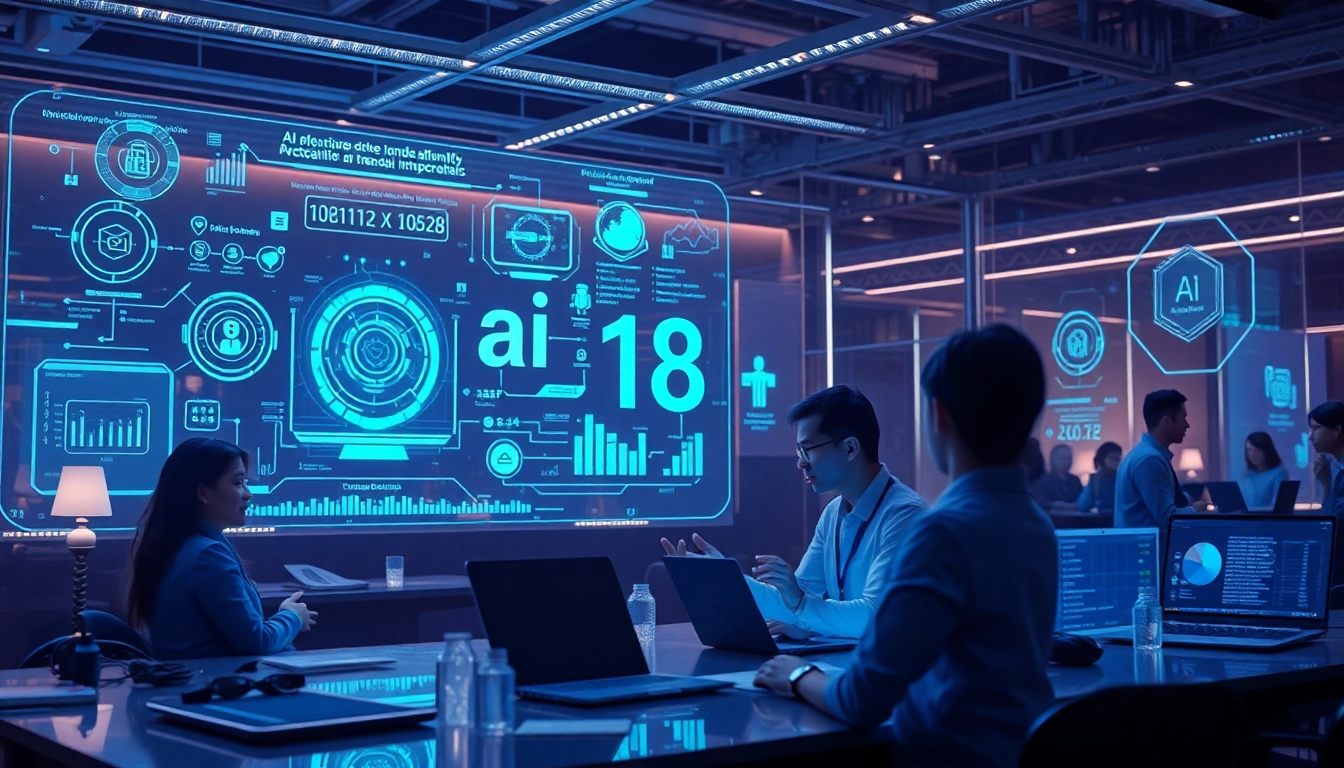
Futuristic workspace showcasing ai 18+ features with adults using advanced AI interfaces.

Mastering AI 18+: Essential Strategies for Responsible Use in 2025

Understanding AI 18+ Regulations and Guidelines

As artificial intelligence (AI) technologies rapidly evolve, the landscape concerning age restrictions and regulations becomes increasingly complex. Recent developments highlight the importance of ensuring AI applications are designed with safety and ethical considerations at their core. In light of growing concerns about harmful content and the mental health effects of unregulated AI interactions, particularly among younger demographics, understanding the ai 18+ landscape is essential for developers, users, and lawmakers alike.

The Importance of Age Restrictions in AI Technology

Age restrictions in AI are critical for several reasons. Primarily, they aim to protect younger users from exposure to inappropriate content and interactions. For instance, platforms such as Character.AI have recently implemented policies to limit access to users under 18, citing concerns over emotional safety and predatory content. These measures not only safeguard minors but also help build trust and bolster the reputation of AI technologies among adult users.

Current Legislation Affecting AI Use for Adults

As AI technologies become more integrated into everyday life, numerous legislative frameworks have emerged to govern their use. The EU’s Artificial Intelligence Act, for instance, classifies AI systems based on risk levels and mandates specific documentation and compliance measures, especially for high-risk applications. Consequently, businesses must stay abreast of these regulations to avoid penalties and ensure responsible use of AI in adult-focused applications.

Best Practices for Compliance and Safety

  • Stay informed about local and international laws governing AI technologies.
  • Implement robust content moderation systems to flag inappropriate interactions.
  • Encourage user feedback to improve AI systems‘ responsiveness to age-related concerns.
  • Educate users about the capabilities and limitations of AI systems to foster a culture of responsible use.

Exploring AI Applications for Young Adults

While much of the discourse surrounding AI revolves around its implications for children, young adults—those aged 18 and over—stand to gain significantly from the latest advancements in AI. Innovative tools are being developed specifically to enhance productivity, creativity, and engagement for this demographic.

Innovative AI Tools Beneficial for 18+ Users

AI technologies have transformed industries by offering tailored solutions that cater to the unique needs of adult users. Applications such as automated project management tools, AI-assisted design programs, and advanced analytics platforms allow young professionals to maximize their productivity and creativity. For instance, tools like Jasper AI facilitate content creation by generating high-quality text based on user inputs, freeing individuals to focus on strategic thinking and execution.

How AI Enhances Productivity in Professional Environments

AI has proven indispensable in professional environments, streamlining workflows and enhancing collaboration. Whether through automating repetitive tasks, optimizing scheduling, or providing real-time data insights, AI systems enable young adults to operate more efficiently. Additionally, AI-driven training programs offer personalized learning experiences to help users acquire new skills pertinent to their careers.

Gaming and Entertainment: AI for an Adult Audience

The gaming industry has begun to exploit the capabilities of AI, crafting immersive experiences that cater specifically to adult audiences. Advanced AI algorithms can create dynamic storylines and adapt gameplay based on user preferences. Games equipped with AI not only provide entertainment but also valuable insights into user behavior, allowing developers to refine their offerings continually.

Mitigating Risks Associated with AI 18+

While the benefits of AI for adult users are manifold, the technology also carries inherent risks that necessitate careful management and oversight. Understanding these challenges is crucial for creating a responsible and ethical AI landscape.

Understanding Algorithmic Bias and Fairness

Algorithmic bias is a pressing concern in AI development. The algorithms powering AI systems are designed based on historical data, which may contain biases. For instance, AI systems used in hiring processes have faced criticism for inadvertently favoring certain demographics over others. To mitigate such risks, developers must prioritize fairness by implementing diverse training datasets and regularly auditing their AI systems for biases.

Preventing Misuse of AI Tools Among Adults

As AI technologies become more powerful, the potential for misuse grows. Users may engage with AI systems in ways that are unethical or harmful, such as generating misleading content or engaging in manipulative marketing practices. Implementing robust ethical guidelines and user agreements can help establish boundaries and promote responsible use.

Building Trustworthy AI Systems: Key Considerations

  • Foster transparency in AI operations, clearly explaining how algorithms make decisions.
  • Engage with stakeholders and experts to identify potential ethical pitfalls.
  • Regularly update models to reflect changing societal norms and values.

Future Trends of AI for Adults 18+

The future of AI for adults is poised for remarkable evolution, driven by technological advancements and societal shifts. Staying ahead of these trends is essential for businesses and users alike.

Emerging Technologies Shaping the Future of AI

Technologies such as quantum computing and advanced neural networks are expected to revolutionize AI capabilities. These innovations will enable more complex problem-solving and data analysis, leading to breakthroughs in fields such as healthcare, finance, and creative arts. Furthermore, the convergence of AI with augmented reality (AR) and virtual reality (VR) will create new avenues for immersive experiences tailored for adults.

Predictions for AI Development: What to Expect in 2025

By 2025, AI is expected to become increasingly adaptive and user-centric, with systems that learn and evolve based on individual user interactions. Enhanced personalization will lead to more intuitive AI applications, fostering deeper engagement among adult users. Moreover, regulatory environments will likely shift to accommodate these advancements, requiring ongoing adaptation from developers and users alike.

The Role of Ethical AI in Modern Society

As AI technologies influence nearly every aspect of life, the ethical implications of their use take center stage. The growing discourse around ethical AI practices underscores the importance of prioritizing human well-being, transparency, and accountability. By addressing these concerns, stakeholders can work towards creating AI systems that uphold democratic values and promote societal good.

Real-World Examples of AI 18+ Implementation

Several organizations and industries are successfully navigating the complexities of AI implementation for adult users, showcasing the diverse applications and innovative strategies at play.

Case Studies: Successful Use of AI in Various Sectors

Businesses across sectors are harnessing AI to enhance operations and improve customer experiences. For example, financial institutions use AI for fraud detection and risk assessment, significantly reducing losses and increasing customer trust. Additionally, the healthcare industry employs AI for patient diagnostics and personalized treatment plans, demonstrating the transformative potential of technology when applied thoughtfully.

Lessons Learned from AI Mishaps

Not all implementations of AI have been successful, however. High-profile blunders, such as biased AI hiring tools or privacy violations by social media platforms, serve as reminders of the perils of insufficient oversight. These situations highlight the need for rigorous testing and ethical consideration in the development of AI technologies, particularly those geared toward adult users.

How Companies are Adapting to AI Regulations

Companies are increasingly recognizing the need to adapt their operations in response to evolving AI regulations. In doing so, they are investing in compliance strategies, conducting ethical audits, and collaborating with lawmakers to shape a balanced regulatory framework. These proactive measures not only safeguard businesses against legal repercussions but also enhance trust among users.